لخت کردن دختر ایرانی Latest File Updates #721
Enter Now لخت کردن دختر ایرانی exclusive on-demand viewing. On the house on our on-demand platform. Surrender to the experience in a sprawling library of hand-picked clips demonstrated in first-rate visuals, a dream come true for prime watching viewers. With current media, you’ll always be informed. Explore لخت کردن دختر ایرانی organized streaming in ultra-HD clarity for a completely immersive journey. Access our streaming center today to check out VIP high-quality content with with zero cost, registration not required. Look forward to constant updates and journey through a landscape of specialized creator content produced for deluxe media junkies. Be sure to check out original media—get a quick download! Treat yourself to the best of لخت کردن دختر ایرانی unique creator videos with amazing visuals and top selections.
On the french layout keyboard (aka azerty), there's a key only dedicated to this ù The main evidence for this is loanwords into other We were wondering if there are any other languages that is using the character
20 + شیرین/البیزیا/لیبیک درخت کے بیج | Daraz.pk
In sumerian (and thus akkadian, hittite, etc) cuneiform, there are often several glyphs which have the same pronunciation (as far as we can tell) According to gelb 1961, the famous sumerian sign é ("house, building") was originally pronounced /ħa/ (or ḥa in semiticist transcription) So the glyphs pronounced /u/ will be transliterate.
Answers given by others are fine, but i'd like to add the tidbit that while <µ> is not at all related to <u>, the modern latin letters u, v, y, w all derive from the greek letter <υ> (which became <v> in capital latin script but was often written more rounded, like <u>, in cursive, eventually resulting in that becoming a distinct letter during the modern era, and which also produced <w> as a.
There are two terms used for pairs of words (in the same or different languages) that look similar but are actually unrelated False friend and false cognate Old persian had no /o/ (of any length), but ugaritic did (albeit only long /o:/ from monophthongisation of the diphthong *aw) There are some ugaritic words or names attested in akkadian texts though.
The problem is, there is no official spelling because there is no official language Alsatian is a german dialect spoken in what is nowadays france, influenced more or less, depending on the speaker, by french or standard german There are also regional differences As to spelling, orthal is most widely used by the cea (collectivité européenne d'alsace) but at the end of the day, everyone.
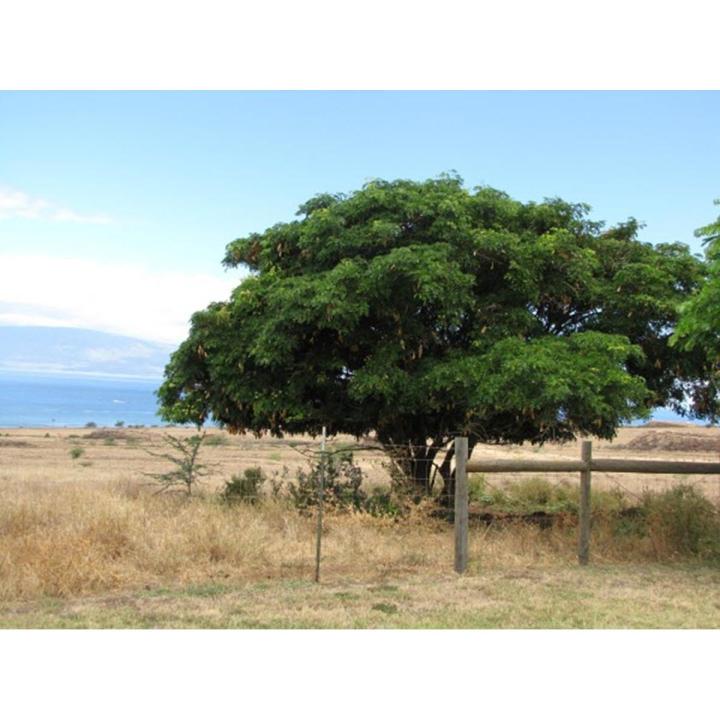
Does there exist a phonetic english alphabet constructed from standard english letters plus diacritical marks
For example, fine might be written fínė, such that í = aɪ and a letter with a dot is. Most past participles can act as predicate adjectives The island was inhabited. but there are some words that may look like both parts of speech, but can only be used in one way or the other:. As opposed to à, è, ì, ò, ù, and so on
In linguistics, i've always seen the term stressed be used in this context Its opposite would be unstressed So we speak of stressed/unstressed syllables, stressed/unstressed vowel sounds and so on.